
We engineer from physics, not from a catalog.
A 50+ engineer R&D team. An in-house testing lab built specifically to characterize heat-exchanger geometries. A three-layer validation process — in-house calculation, HTRI cross-check, and physical test — that runs on every custom design. Below is what that looks like in practice.
Testing Lab
Dongrun's independently developed heat exchanger performance testing system — rare in the industry — characterizes thermal performance, pressure drop, vibration, and acoustics across five test loop configurations.
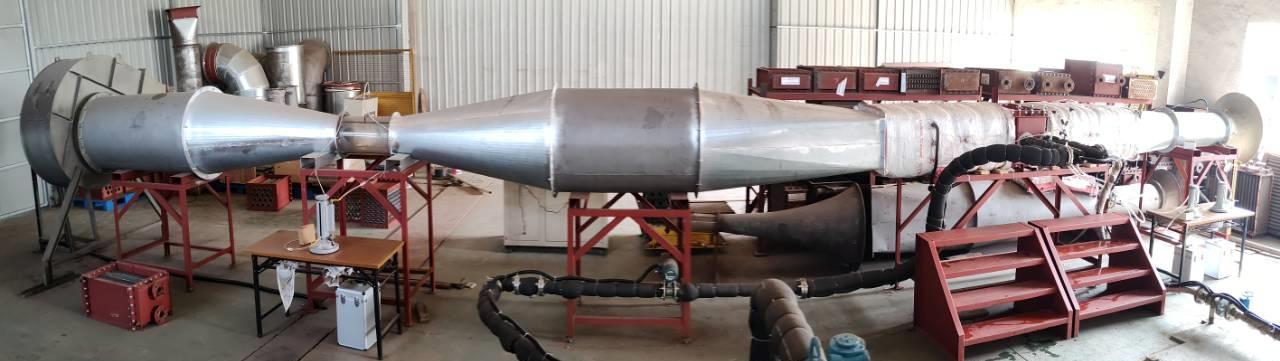
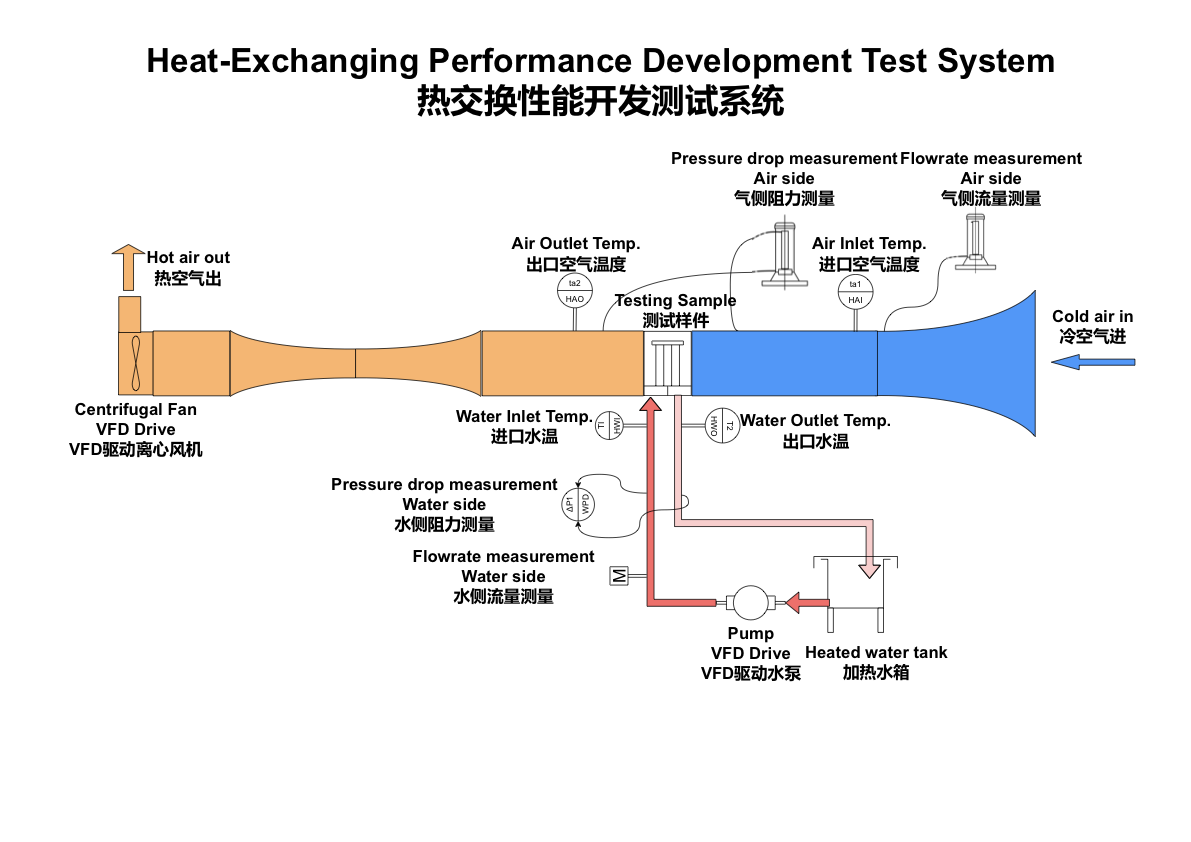
Five test loop configurations
Each loop is purpose-built to replicate real operating conditions. The platform measures heat transfer coefficients, air-side and tube-side pressure drop, and thermal resistance — producing the empirical data that calibrates our in-house design software.
- Hot water – cold air — for motor coolers, HVAC coils, and standard industrial applications
- Cold water – hot air — for gas turbine inlet air cooling and charge-air coolers
- Air – air — for enclosed motor coolers (TEAAC/CACA) and wind tunnel heat exchangers
- Hot oil – cold air — for transformer coolers and high-temperature process applications
- Steam – air — for air preheaters, dryer systems, and waste-heat recovery
What we measure
- —Heat transfer coefficient (air-side and tube-side) with multi-point temperature instrumentation
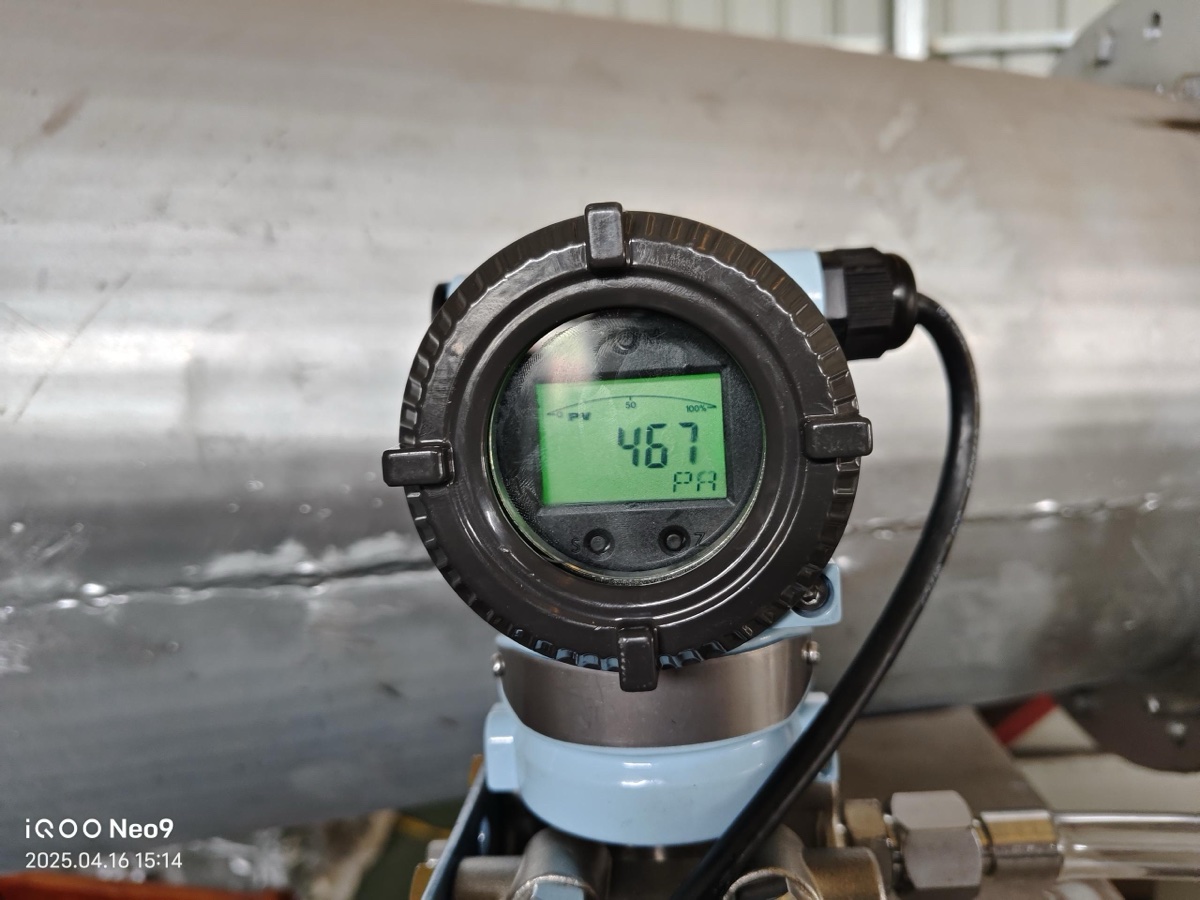
- —Air-side and tube-side pressure drop across the heat exchanger core
- —Vibration modal analysis and natural-frequency characterization
- —Fan performance curves (flow rate, static pressure, power consumption)
- —Acoustic emission (noise level in dB(A) at rated conditions)
- —Strain-gauge stress measurement at critical structural joints
Test data analysis
Test results are systematically analyzed and fitted against classic heat transfer correlations to derive practical empirical formulas. The fitted parameters are embedded into Dongrun's proprietary design software, enabling iterative optimization of heat exchanger geometry for each new project.
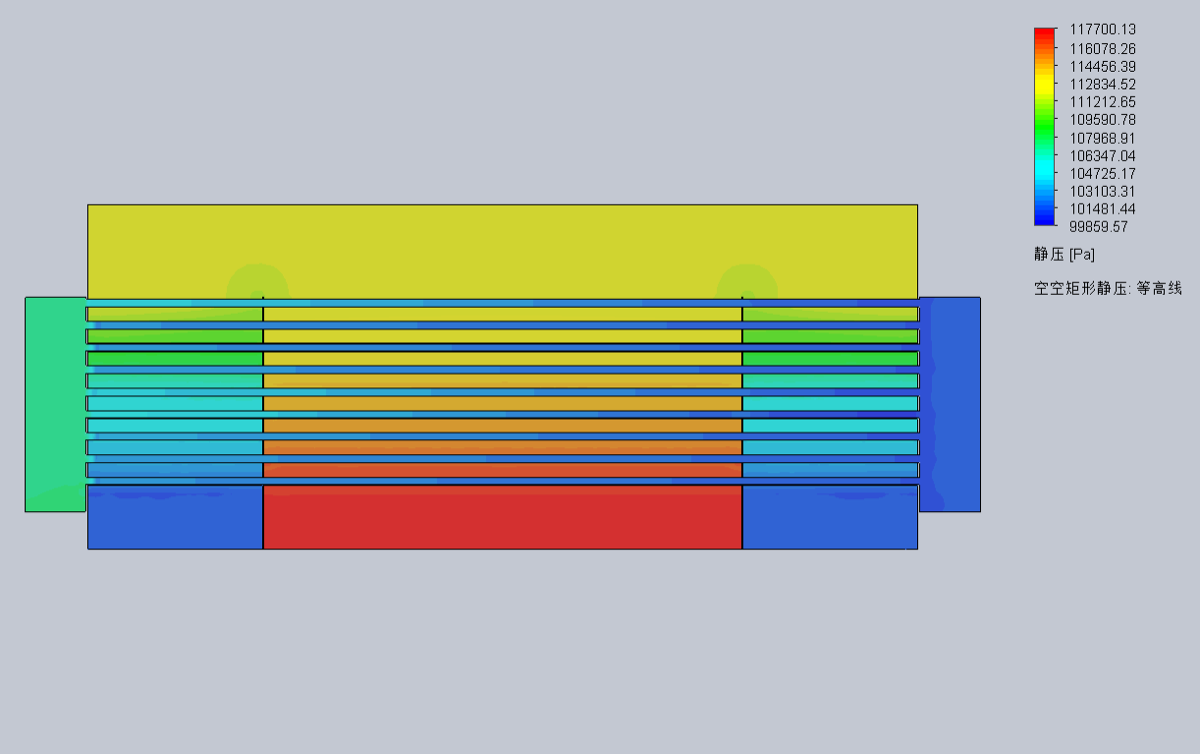
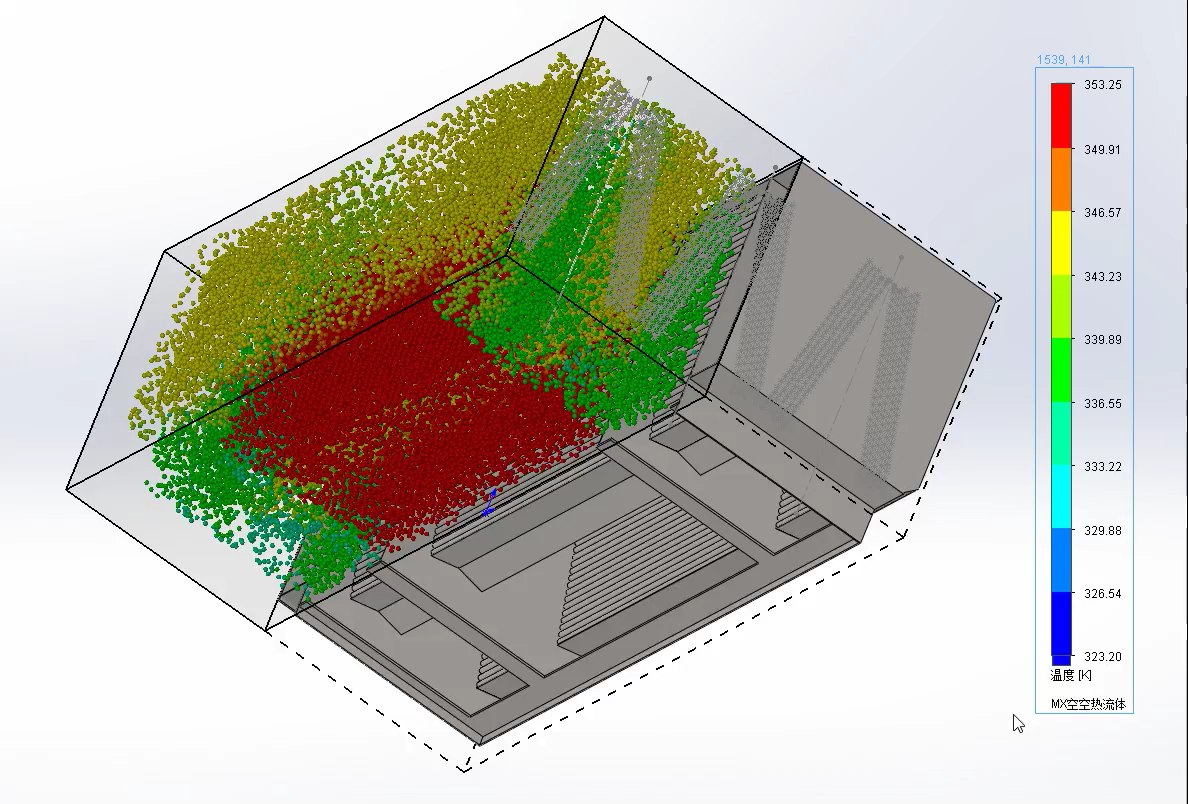
CFD Simulation
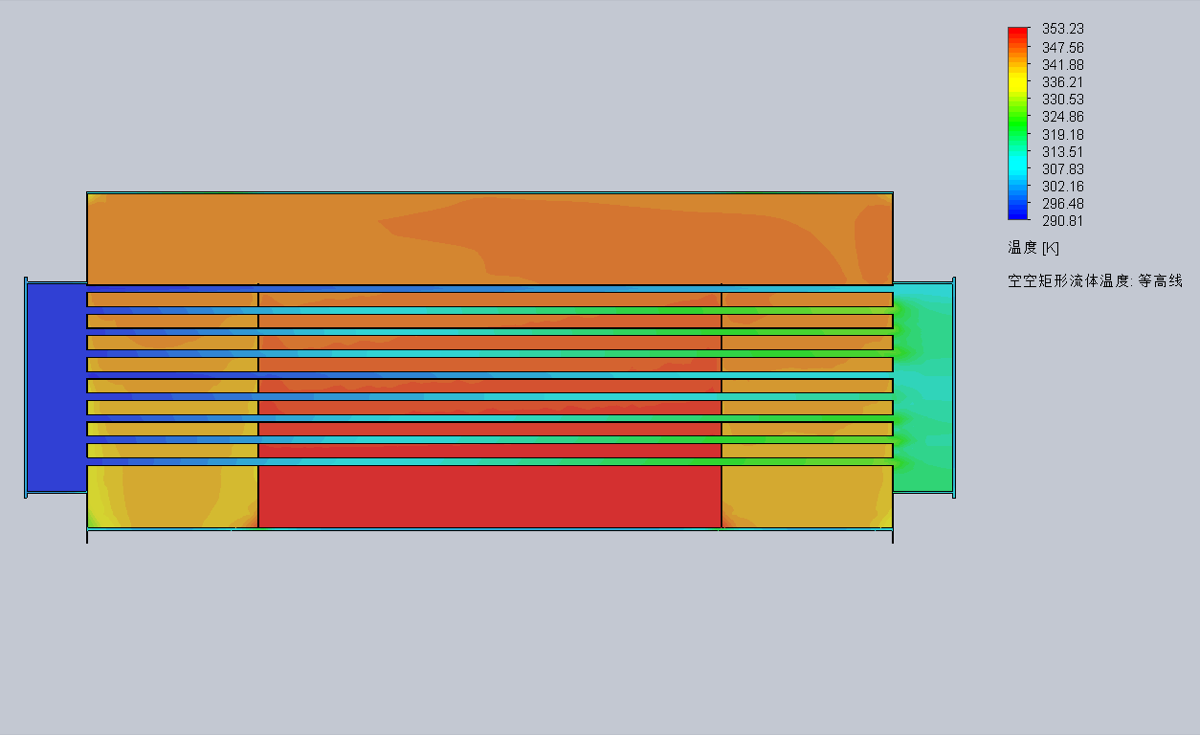
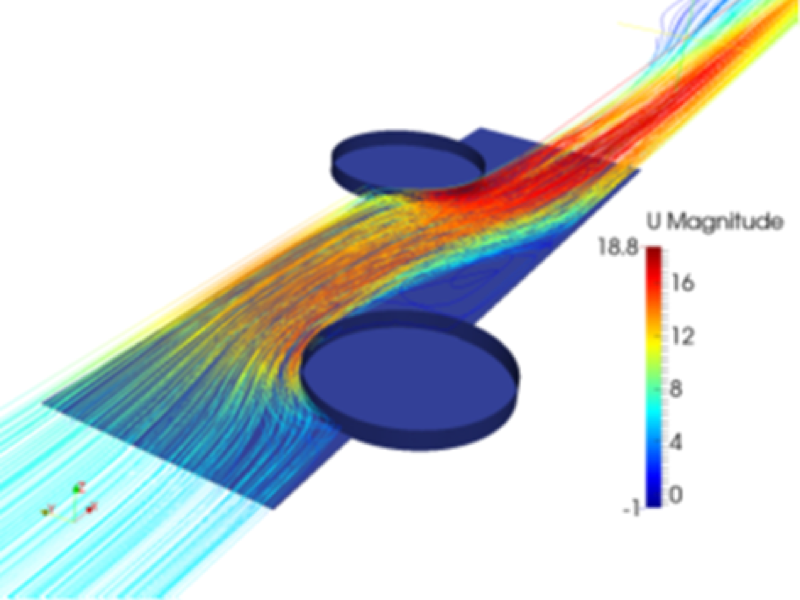
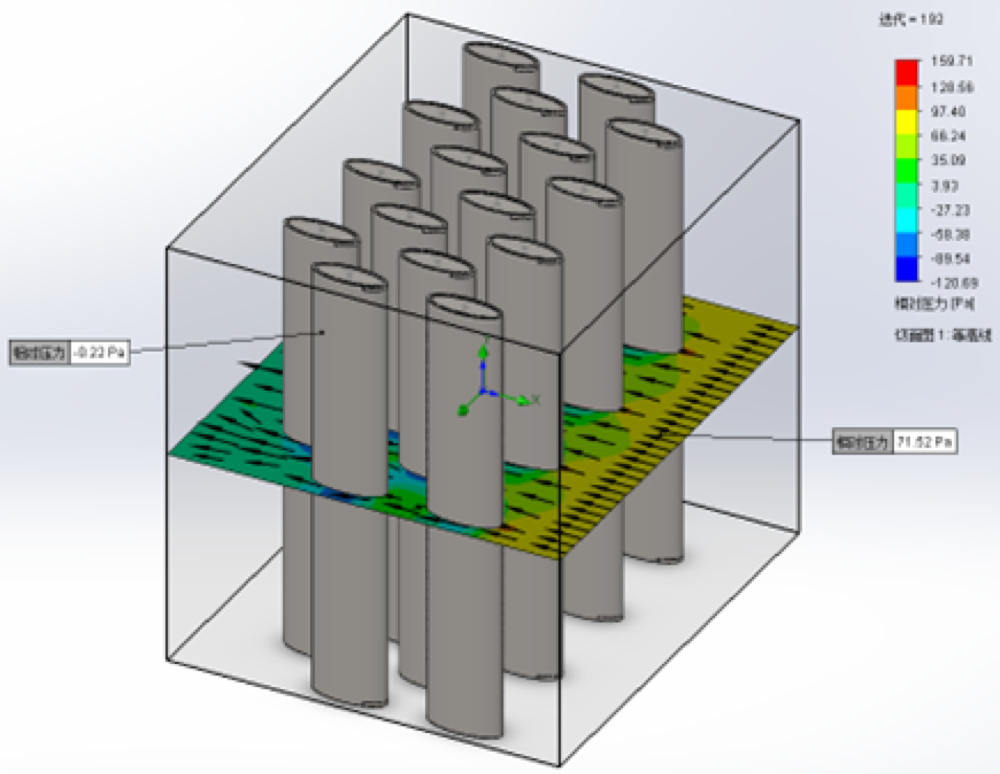
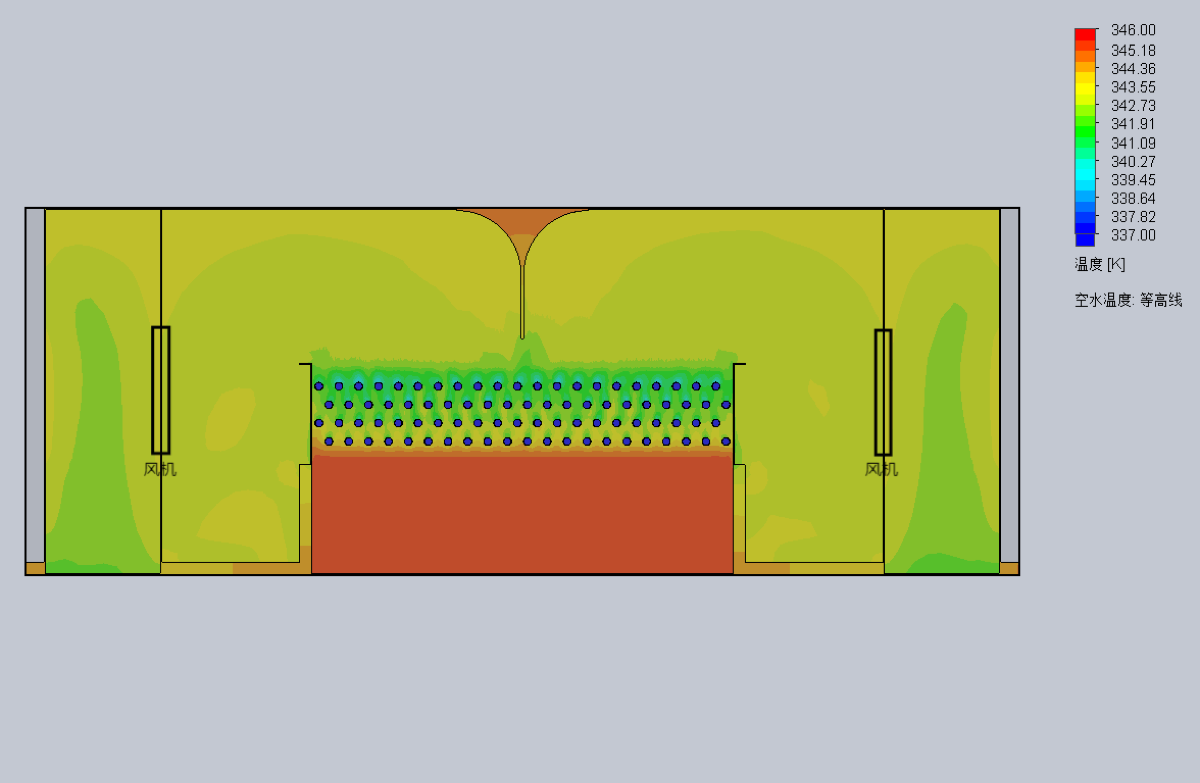
Computational fluid dynamics for velocity fields, temperature distributions, and pressure drop prediction — used to optimize geometry before physical prototyping.
CFD analysis runs on every custom design to visualize flow behavior around tube banks, predict temperature gradients, and identify dead zones or recirculation. The results are cross-checked against our test-lab data to validate model accuracy.
FEA Structural Analysis
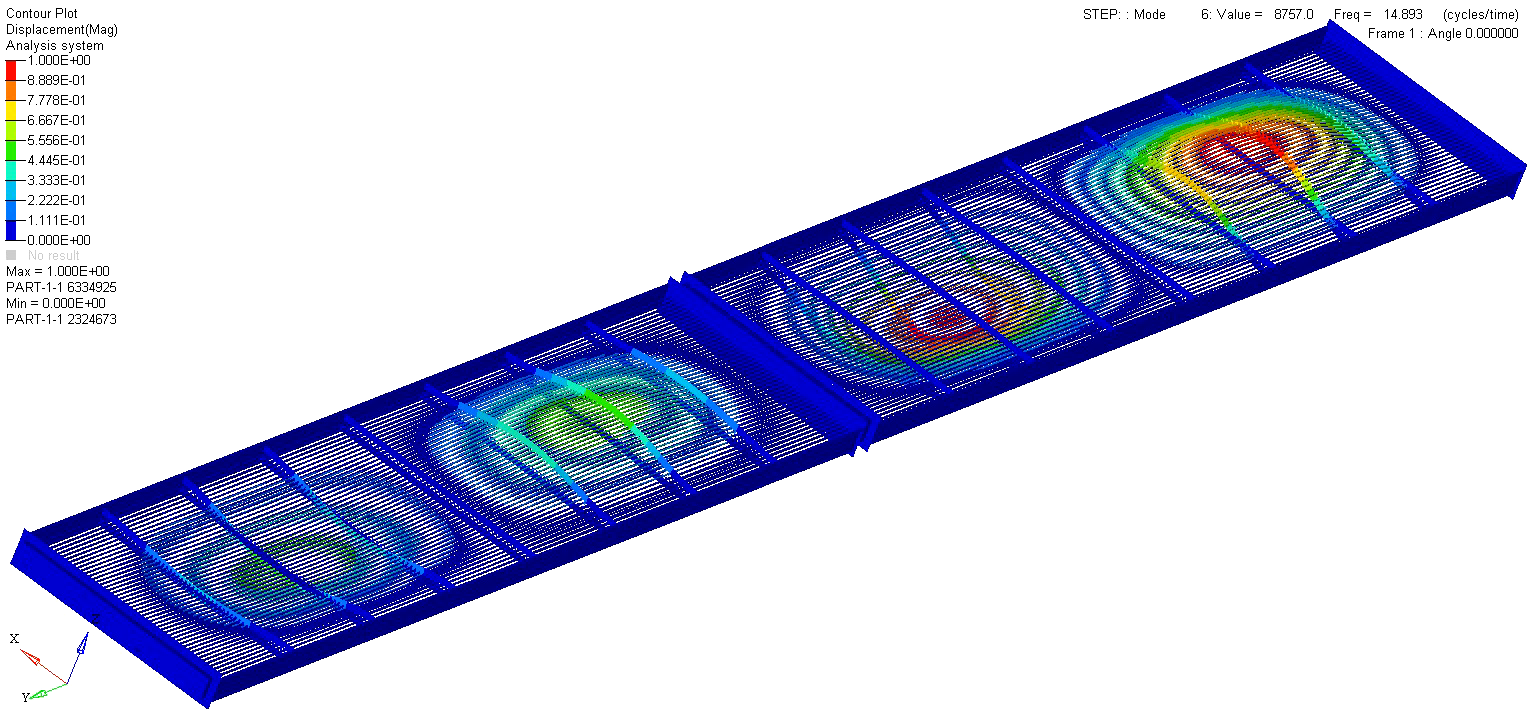
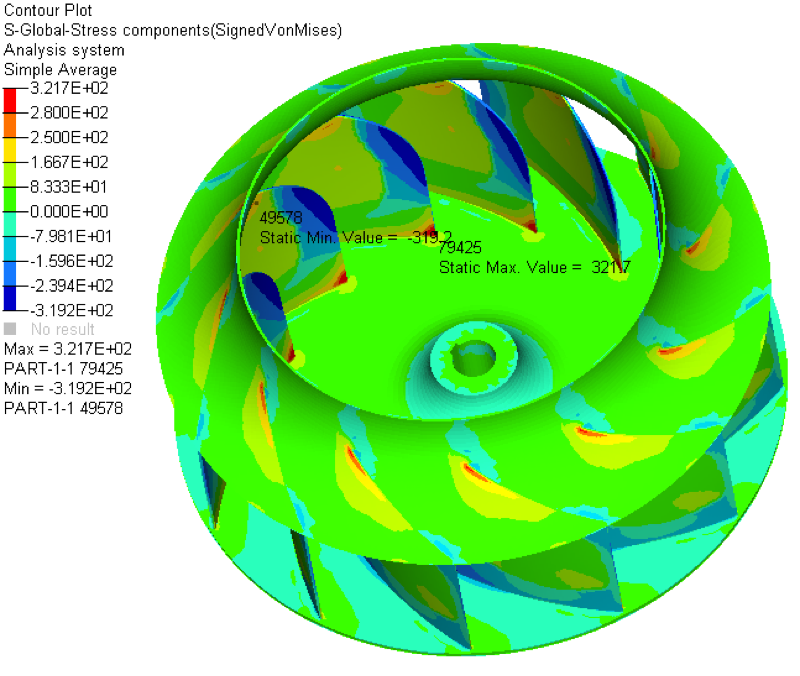
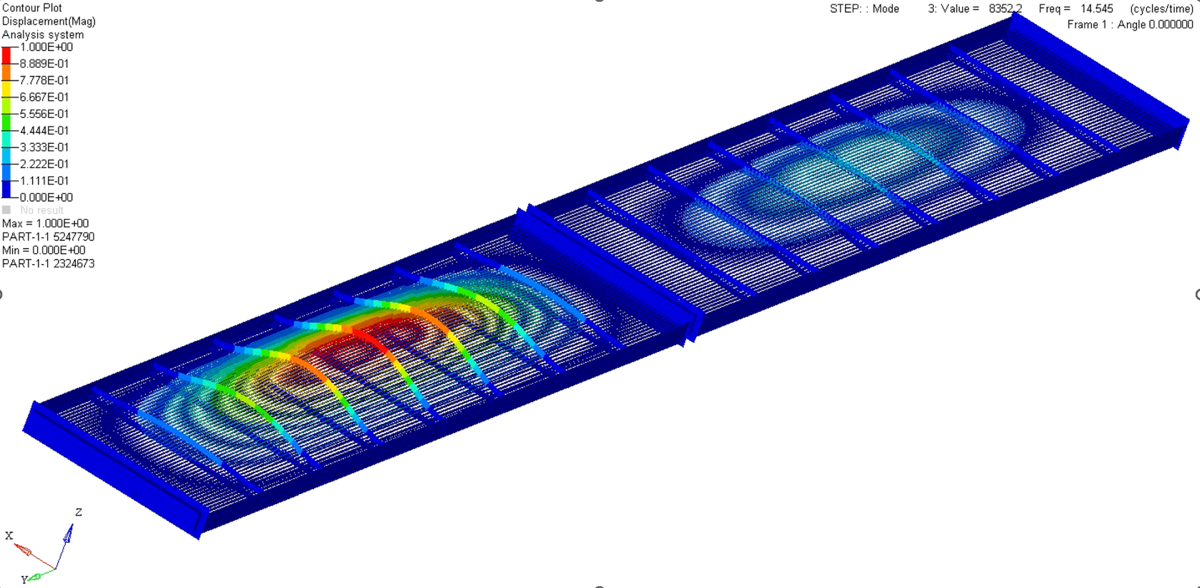
Finite element analysis for vibration modes, thermal stress, and structural integrity — ensuring mechanical reliability under operating conditions.
Every heat exchanger that operates under vibration, thermal cycling, or high pressure undergoes FEA simulation. We analyze vibration mode shapes to avoid resonance with rotating equipment, and verify thermal stress at tube-to-tubesheet joints, header welds, and expansion joints.
HTRI + In-House Software
A three-layer validation process: in-house thermal design software → HTRI cross-check → physical prototype test.
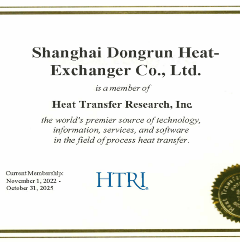
Dongrun is a Heat Transfer Research, Inc. (HTRI) member, and our in-house thermal design software is calibrated against decades of laboratory data from our own testing platform. Every custom cooler runs the chain: in-house calculation produces the candidate geometry, HTRI validates against industry-standard correlations, and a physical prototype test confirms the design before manufacturing release.
R&D Team
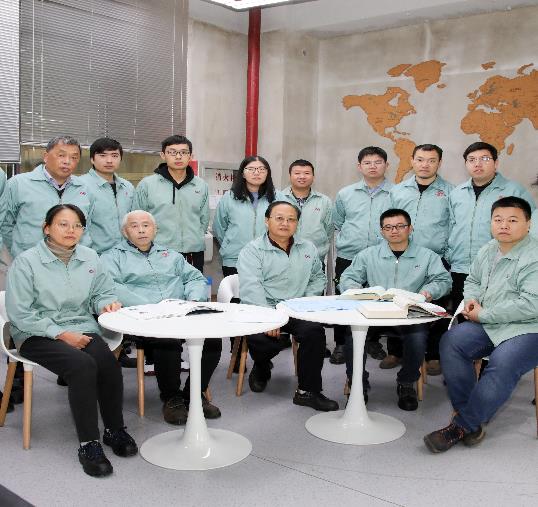
50+ engineers — including 5 senior engineers — across mechanical, electrical, and heat-transfer disciplines. Led by founder Mao Wenzhuo (19 years at AVIC's 614 Aero Engine Research Institute).
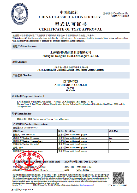
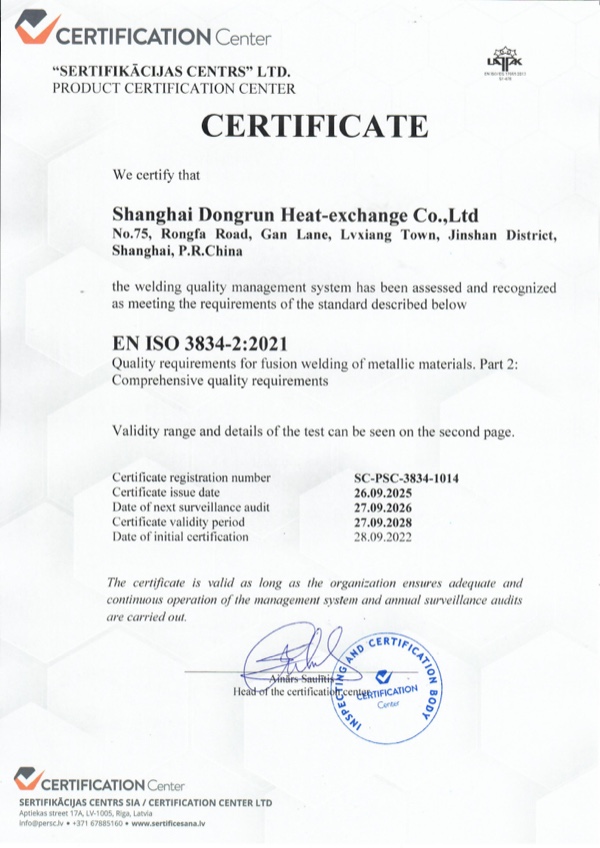
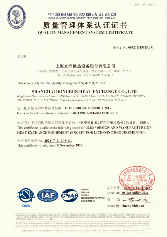
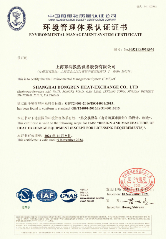
Certifications
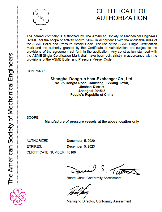
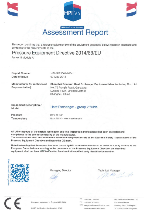
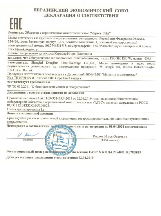
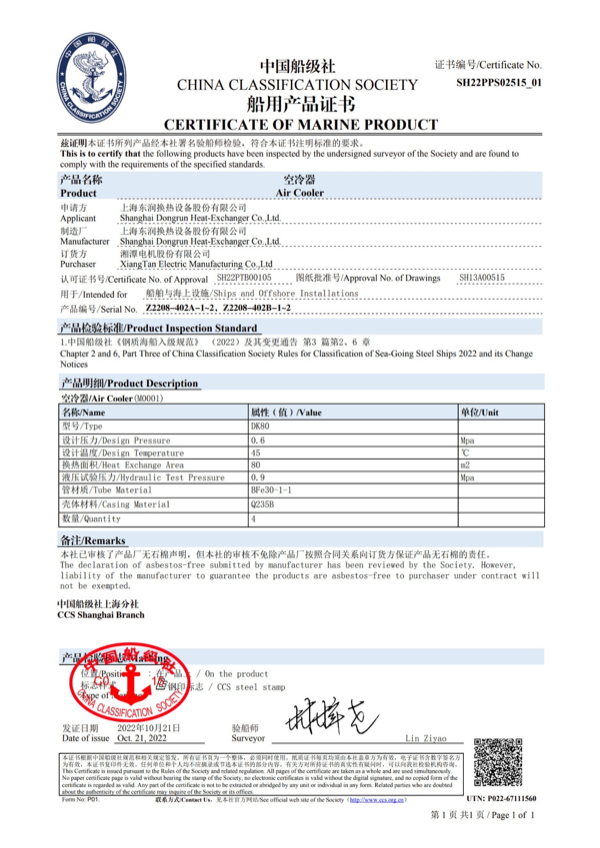
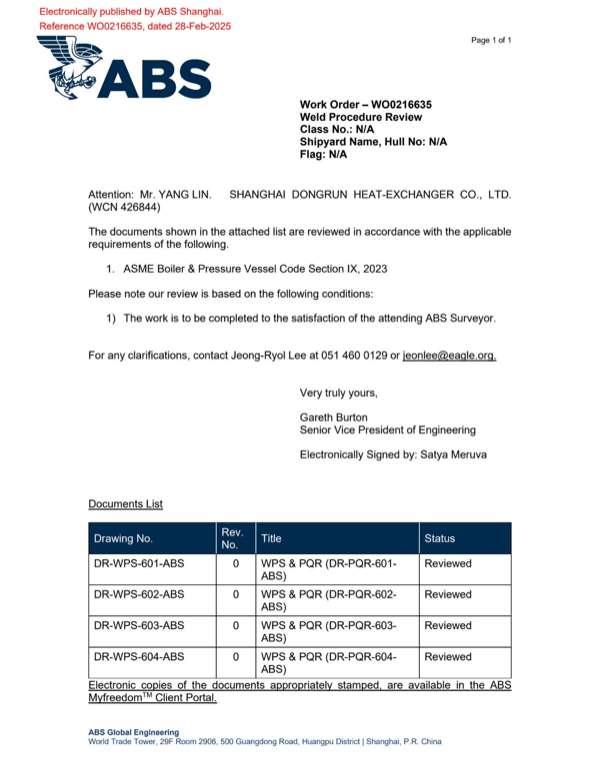
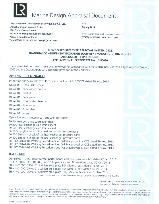
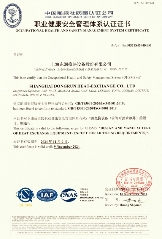
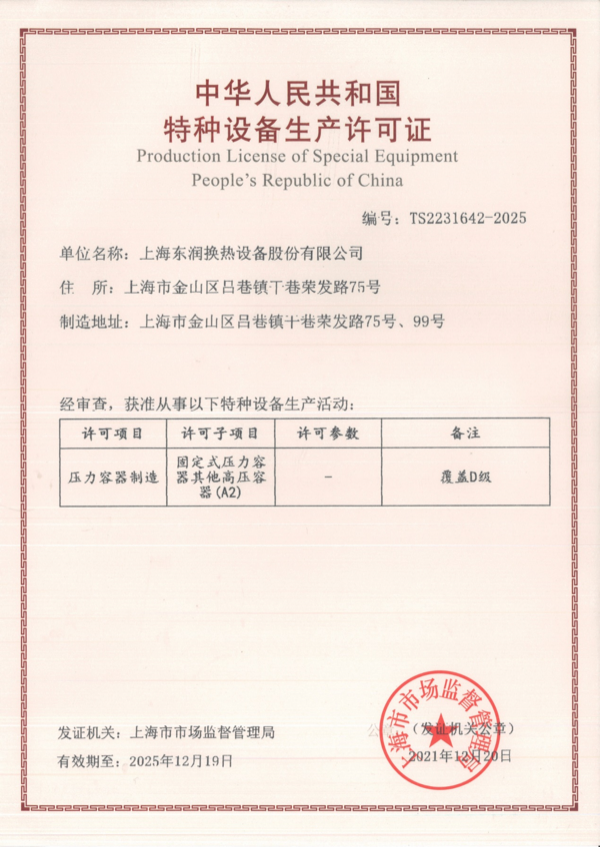
The credential set that lets Dongrun ship into US, EU, EAC, marine, and Asian regulatory environments.
Want to see the test data behind a design?
We'll share testing platform output and CFD analysis for relevant projects under NDA. A thermal engineer will reply within 48 hours.
Talk to a thermal engineer →